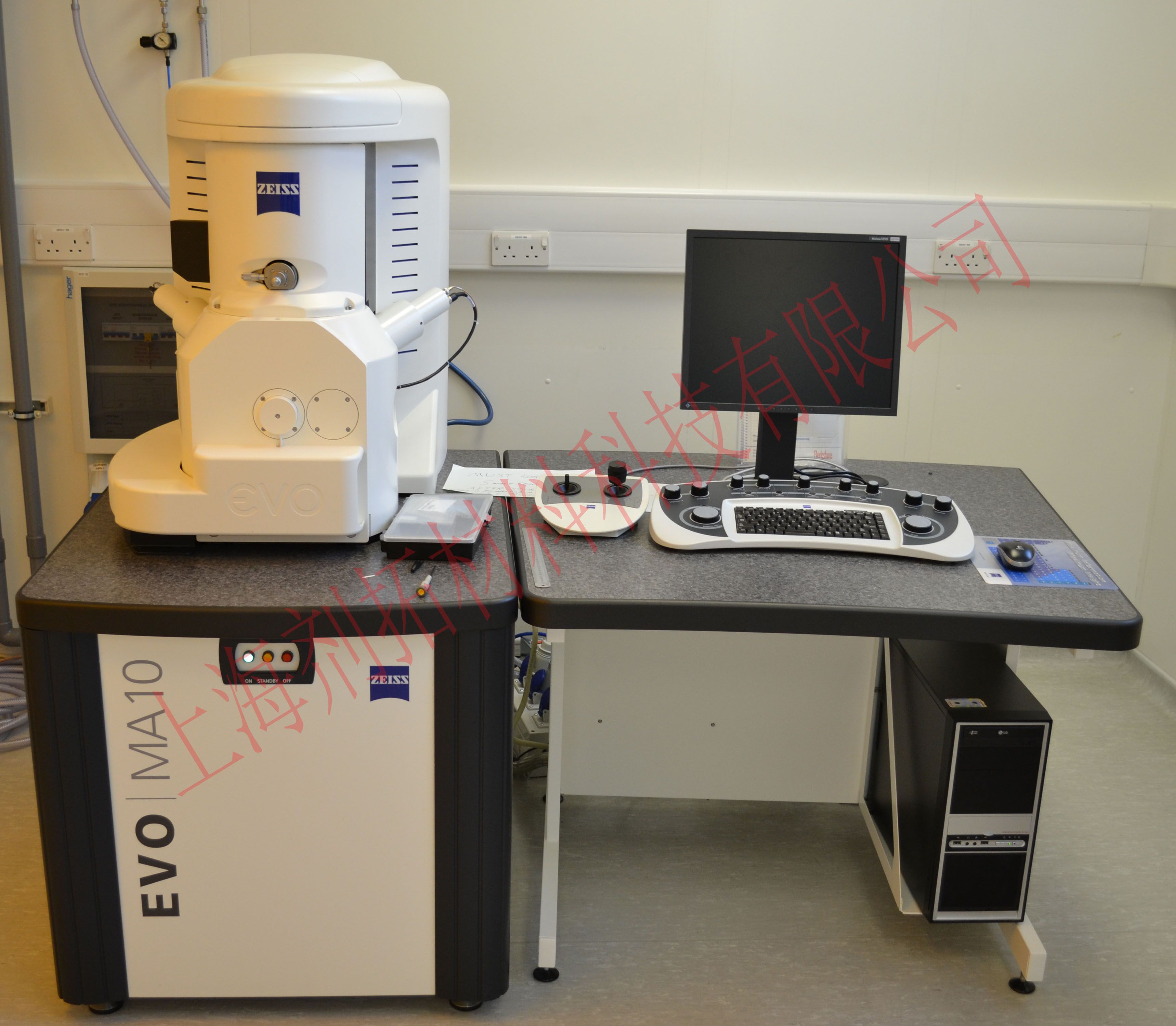
EDS (Energy Dispersive Spectroscopy) Testing Principle
EDS analysis is based on the principle that each element emits characteristic X-ray photons with unique energies (ΔE) during electron beam excitation. By measuring these energies, the elemental composition of a sample can be determined.
Instrument Model & Technical Parameters
- Model: ZEISS Merlin Compact
- Secondary Electron Resolution: 1.4 nm (1 kV, deceleration mode)
- Magnification Range: x20 ~ x800,000
- Electron Source: Cold Field Emission Gun (CFEG)
Sample Requirements & Notes
- Powder Samples: 50–100 mg
- Bulk Samples: Max dimensions 5 mm (width) × 5 mm (height)
- Magnetic Samples: Must be declared in advance
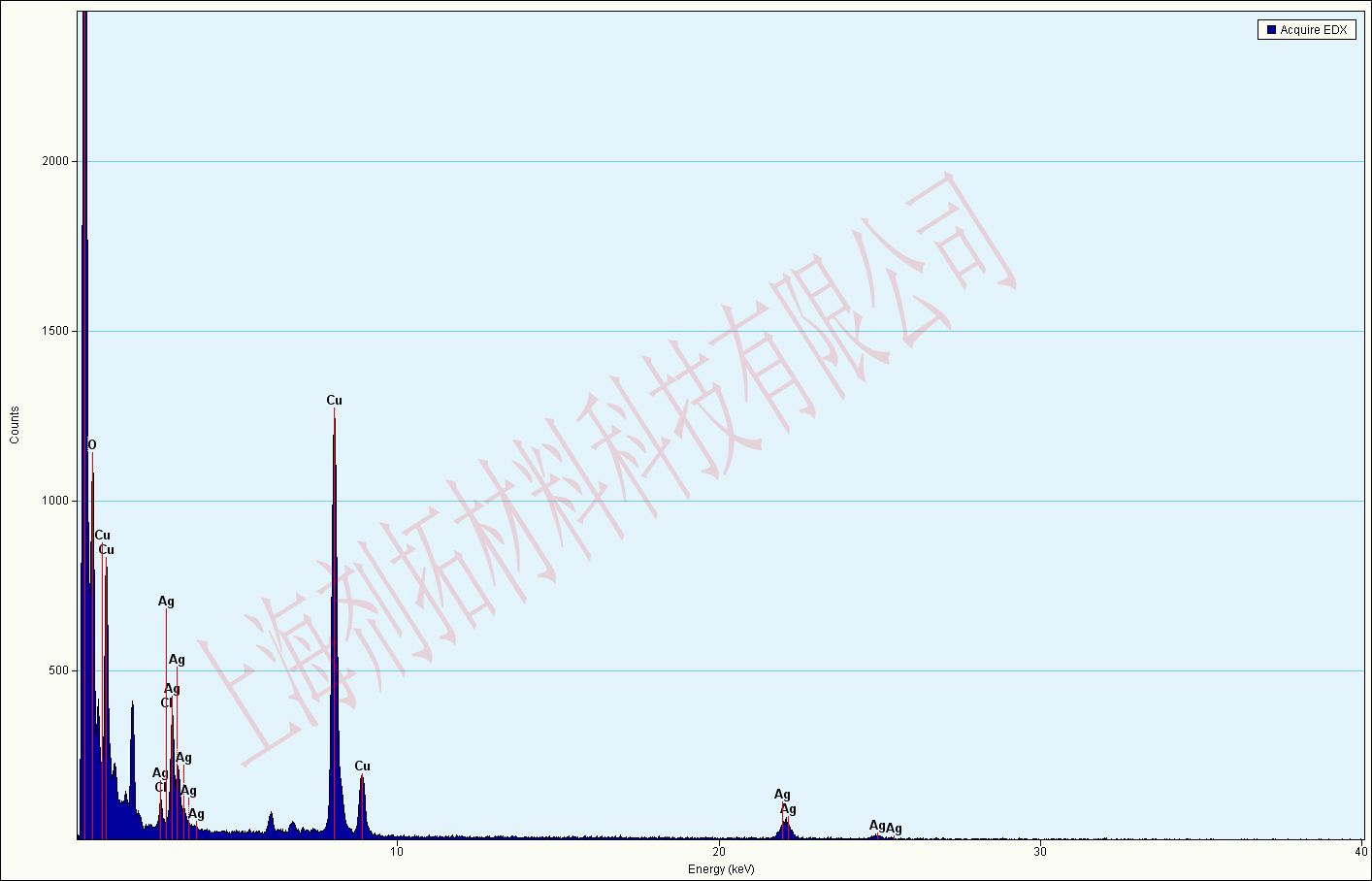
Testing cases
standrads
- ISO 15632:2021 Microbeam analysis — Selected instrumental performance parameters for the specification and checking of energy-dispersive X-ray spectrometers (EDS)
- ISO 22309:2011 Microbeam analysis — Quantitative analysis using energy-dispersive spectrometry (EDS) for elements with an atomic number of 11 (Na) or above*
- ASTM E1508-12(2019) Standard Guide for Quantitative Analysis by Energy-Dispersive Spectroscopy
- ASTM E2809-22 Standard Guide for Using Scanning Electron Microscopy/X-ray Spectrometry in Forensic Paint Examinations
- GB/T 17359-2023 Microbeam analysis—Quantitative analysis using energy-dispersive spectrometry (EDS) for elements with an atomic number of 11 (Na) or above