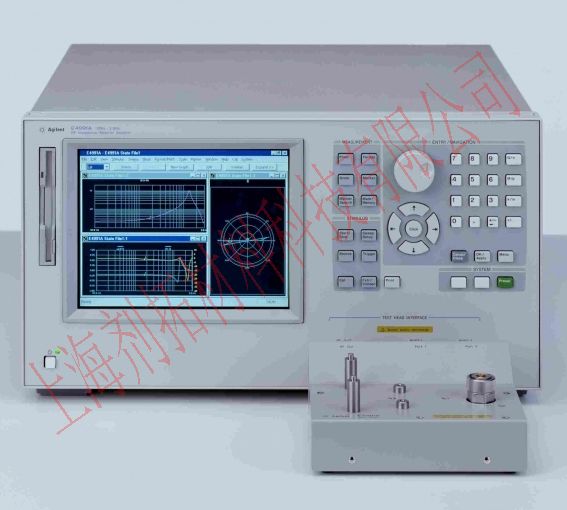
Principle of Impedance Analyzer
Based on RF-IV measurement and circuit matching evaluation. Impedance (Z) is a physical quantity characterizing the opposition to current in an alternating electric field, reflecting the comprehensive response of materials or circuits to alternating current, including the combined effects of resistance (R), capacitive reactance (XC), and inductive reactance (XL).
Instrument Models and Parameters
- Instrument Model: Keysight E4991B
- Technical Parameters:
- Frequency Range: 1 MHz to 3 GHz
Sample Submission Requirements and Packaging
- Ring-shaped samples (impedance analyzer method):
- Outer diameter ≤ 8.0 mm, inner diameter ≥ 3.1 mm, thickness ≤ 3 mm;
or outer diameter ≤ 20 mm, inner diameter ≥ 5 mm, thickness ≤ 8.5 mm. - Applicable frequency range: 1 MHz to 3 GHz.
Testing Cases
Reference Standards
- GB/T 31589.1-2015 Corrosion of Metals and Alloys - Electrochemical Impedance Spectroscopy Testing - Part 1: General Principles
- IEC 60384-1-2013 Fixed Capacitors for Electronic Equipment - Part 1: Generic Specification
- GB/T 11318.1-1996 Equipment and Components for Cable Distribution Systems of Television and Sound Signals - Part 1: Generic Specification
- GB/T 2470-2017 Resistors and Capacitors - Fixed Resistors Nominally for DC Resistance - Test Methods