TPR Principle
When a solid substance is heated, desorption occurs when adsorbed molecules gain sufficient energy to overcome the energy barrier (typically referred to as desorption activation energy) required for escape. The energy required for desorption varies due to differences in binding capability between different adsorbates and the same surface, or between the same adsorbate and distinct adsorption sites on the surface.
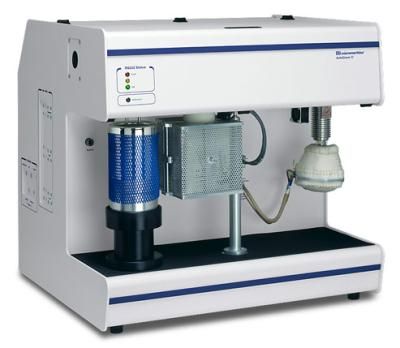
Instrument Model and Technical Parameters
- Instrument Model: Micromeritics Autochem 2910
- technical Parameters:
-
- Heating rate: 10~30k/min
-
- Gas type: Non-corrosive conventional gases
-
- Gas flow rate: 10–75 ml/min
-
- Detector: TCD (thermal conductivity detector) or online mass spectrometer
Sample Submission Requirements and Notes
• Sample form: Solid, 200–1000 mg in a plastic centrifuge tube. • Samples must be free of water and low-molecular-weight organic compounds to avoid testing anomalies. • Samples must be thermally stable and non-decomposable under testing conditions.
Testing Examples
Standards
• ASTM D4824-18 "Standard Test Method for Acid and Base Sites on Catalysts Using Temperature Programmed Desorption" • ISO 15370:2000 "Catalysts - Determination of reducible species and their reducibility by temperature-programmed reduction (TPR)"