Mass Spectrometry (MS)
Mass spectrometry is an analytical method that ionizes the substance to be tested, separates ions by their mass-to-charge ratio (m/z), and measures the intensity of various ion spectral peaks to achieve analysis. Mass is one of the inherent characteristics of matter, and different substances have distinct mass spectra (mass spectra). Utilizing this property, qualitative analysis can be performed, including molecular mass and related structural information.
Instrument Model and Technical Parameters
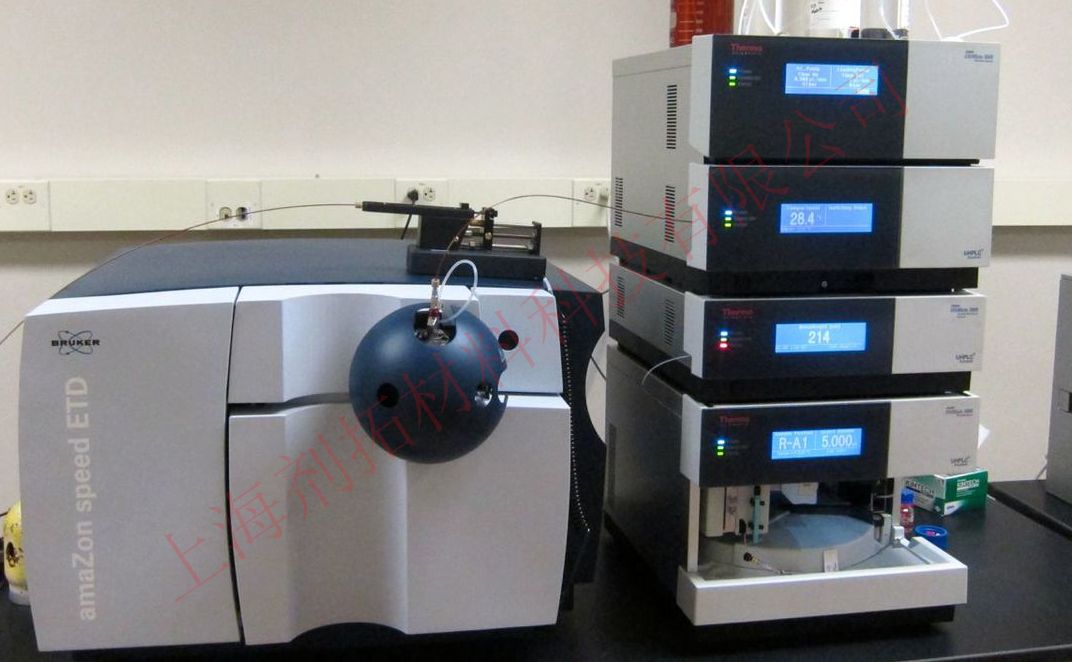
- Instrument Model: Bruker solanX FT-MS
- Technical Parameters:
- Normal resolution: m/z=0.01; High resolution: m/z=0.001
- Mass range: 50–2000 amu
- ESI / APCI SRM
- Sensitivity: 1 pg reserpine peak-to-peak S/N > 200:1
- Maximum resolution: ≥10M
- Scanning speed: Full-range scanning at 5000 u/second
- Mass stability: +/- 0.050 amu
Sample Submission Requirements and Notes
- Sample form: Solid or liquid, 20–100 mg in a plastic centrifuge tube.
- The sample must be completely soluble in a volatile common solvent (e.g., methanol, ethanol, acetone, etc.).
- Samples should be volatile and free from thermal decomposition.
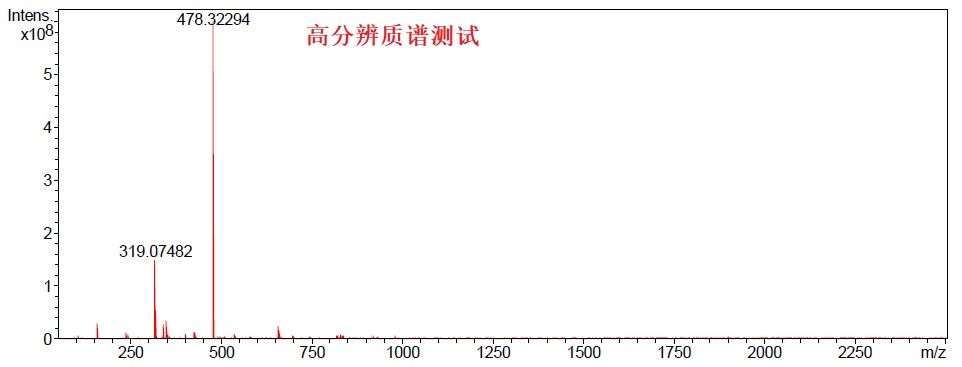
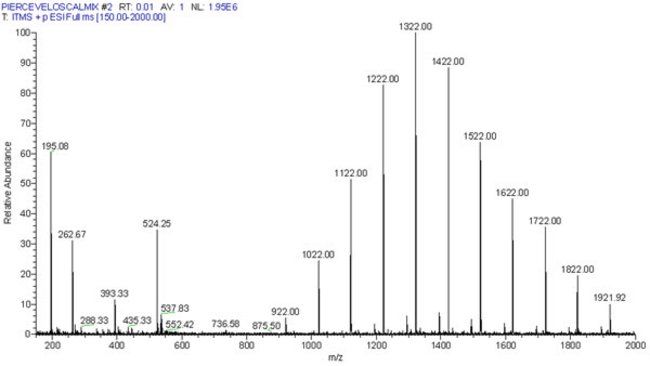
Testing Examples